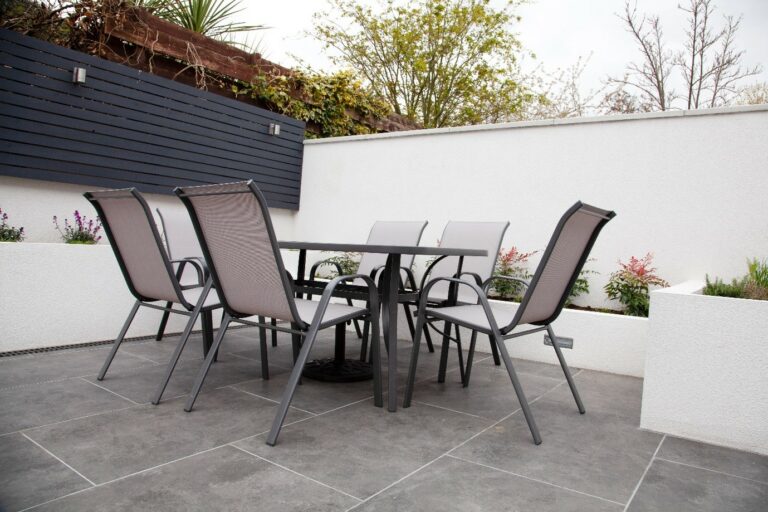
What Grout Should I Use for Porcelain Paving?
Choosing the right grout for your porcelain paving is just as important as choosing the paving itself. The correct jointing compound will help create a strong, durable patio that looks fantastic while resisting weeds, weather and everyday wear.
With several different products available, it can be difficult to know which one is best for your project. In this guide, we’ll explain the different types of grout, when to use them, and how to achieve a professional finish.
What Is the Best Grout for Porcelain Paving?
For most porcelain patios, a high-quality resin jointing compound or a cement-based grout designed specifically for porcelain paving is the best option.
The right product depends on factors including:
- Joint width
- Type of installation
- Expected foot traffic
- Weather conditions
- Manufacturer’s recommendations
Using the correct grout helps prevent movement between slabs, reduces weed growth and gives your patio a clean, finished appearance.
Why Can’t I Use Normal Tile Grout?
Although porcelain paving looks similar to indoor tiles, it performs in a completely different environment.
Outdoor paving must withstand:
- Heavy rainfall
- Frost and freezing temperatures
- Expansion and contraction
- UV exposure
- Constant foot traffic
Standard indoor tile grout isn’t designed for these conditions and can crack or fail over time.
Always choose a grout or jointing compound specifically designed for external paving.
Resin Jointing Compound
Resin jointing compounds are one of the most popular choices for modern porcelain patios.
Advantages
- Quick and easy application
- Helps prevent weed growth
- Flexible and resistant to cracking
- Permeable to water
- Low maintenance
- Available in a range of colours
Resin compounds are ideal for many domestic patios where ease of installation and long-term durability are important.
Cement-Based Grout
Cement-based porcelain grouts provide a clean, contemporary finish and are commonly used by professional installers.
Benefits include:
- Strong and durable
- Excellent for narrow joints
- Available in multiple colours
- Creates crisp, neat joints
Correct mixing, installation and curing are essential for the best results.
Choosing the Right Grout Colour
The colour of your grout can dramatically change the appearance of your patio.
Grey
The most popular option for modern porcelain paving.
Creates a seamless appearance with grey slabs while hiding dirt effectively.
Charcoal
Ideal for darker porcelain paving.
Provides strong definition between slabs.
Light Grey
A softer alternative that complements many contemporary designs.
Beige
Perfect for cream, beige and sandstone-effect porcelain paving.
Creates a warmer, more traditional appearance.
Whenever possible, compare grout samples against your paving before making your final choice.
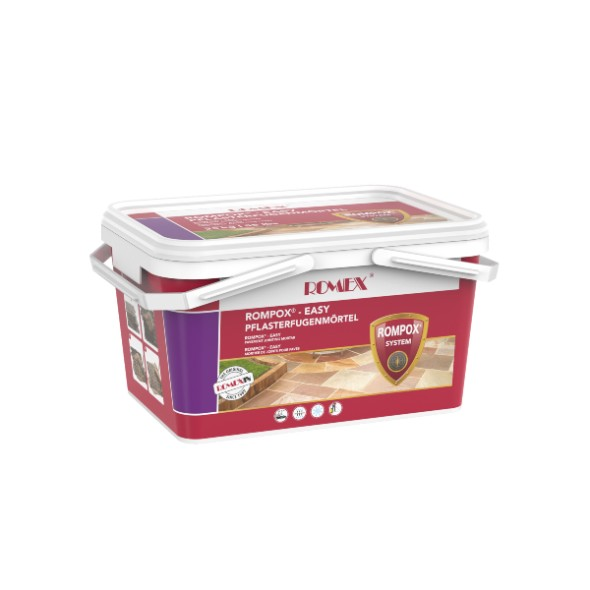
Check out our grout options here!
How Wide Should Patio Joints Be?
Porcelain paving should never be laid with joints that are too narrow.
Joint widths should always follow the manufacturer’s installation guidelines, as these allow for slight movement and help create a long-lasting installation.
Using joints that are too small can increase the risk of cracking and grout failure.
Common Mistakes to Avoid
Avoid these common installation mistakes:
- Using indoor tile grout outdoors
- Grouting before the adhesive has fully cured
- Installing during heavy rain or freezing temperatures
- Choosing the wrong joint width
- Not cleaning excess grout from the surface
- Ignoring the grout manufacturer’s instructions
Taking time to prepare properly will help ensure your patio looks great for years to come.
Frequently Asked Questions
Can I use tile grout for porcelain paving?
No. Indoor tile grout is not designed for outdoor conditions. Always choose a product intended for external paving.
Does grout stop weeds?
A quality jointing compound helps reduce weed growth by filling the joints, although airborne seeds can still germinate on the surface if regular maintenance is neglected.
What colour grout should I choose?
Grey remains the most popular choice for modern porcelain paving, while beige and light grey work well with lighter stone-effect slabs.
How long does grout take to cure?
Curing times vary depending on the product and weather conditions. Always follow the manufacturer’s instructions before using or cleaning your patio.
Which Grout Is Right for Your Project?
The best grout depends on the type of paving you’ve chosen, the joint width and the finish you’re trying to achieve. Investing in a quality grout or jointing compound will improve both the appearance and longevity of your patio.
If you’re unsure which product is right for your project, our team is always happy to help. We can recommend the most suitable grout and installation products to match your chosen porcelain paving.
It maybe worth also look at the British standard for external tiling to make sure everything is upto code HERE
Recommended Products
To complete your installation, don’t forget: